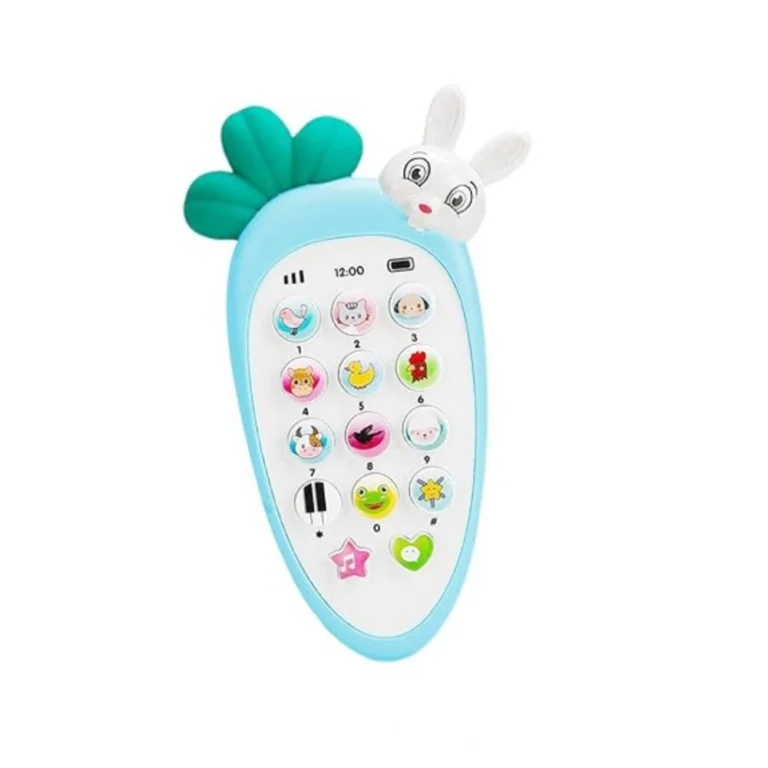
Walk into any toy aisle and the age label on the box is usually the last thing anyone reads. It is worth reading first. A toy that is a year ahead of a child tends to sit in a cupboard, and a toy that is a year behind gets abandoned within a week. Matching the toy to what a child can already almost do is what keeps them coming back to it.
Birth to twelve months
At this stage play is almost entirely sensory. Babies are learning that their hands belong to them, that sounds come from somewhere, and that objects continue to exist when they roll out of sight. High contrast patterns, different textures, and anything that rattles or squeaks does more than it looks like it does.
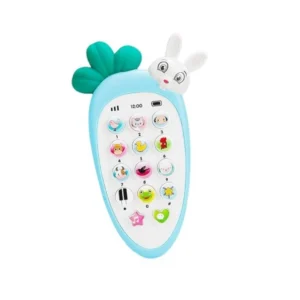
Keep it simple. One or two things a baby can grip and mouth safely will get more use than a pile of gadgets. Most of what suits this age sits in baby and toddler toys.
One to three years
Toddlers are testing cause and effect, over and over, with a patience adults find baffling. Stacking, posting, filling, emptying, knocking down. This is also when large motor skills take off, so anything that involves pushing, pulling or climbing earns its keep.
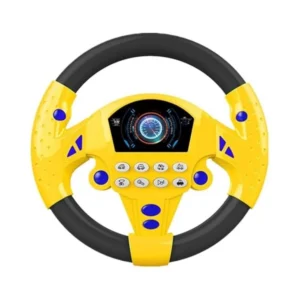
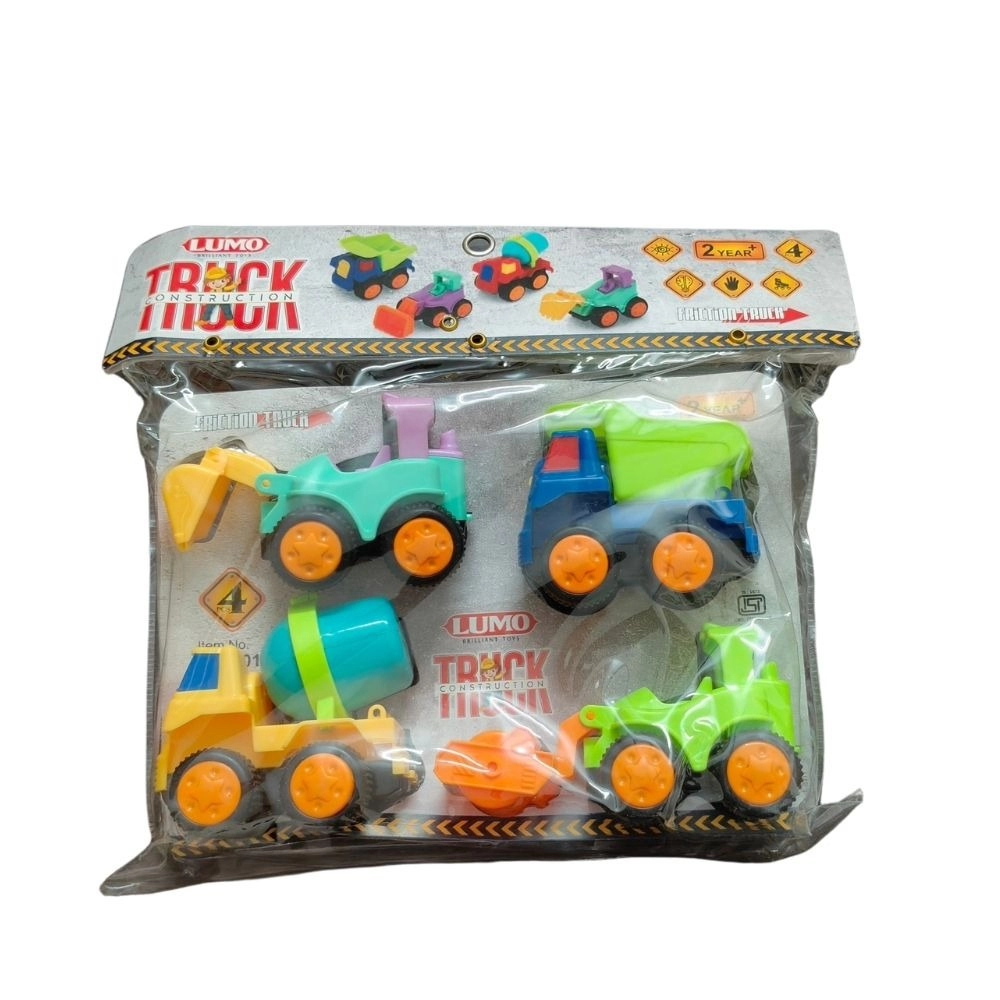
Chunky building blocks are the classic pick here because there is no wrong answer, and ride-ons and vehicles give restless legs something to do indoors.
Three to five years
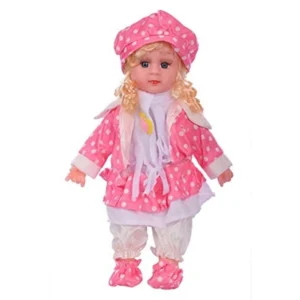
Imagination arrives properly. Children start narrating their play, assigning roles, and turning a cardboard box into a shop. Toys that suggest a scenario without dictating it work best, which is why pretend play sets hold attention far longer than anything with a single fixed function.
Simple puzzles also start to click at this age, and they teach something that is hard to teach directly: sitting with a problem for more than thirty seconds.
Five to eight years
Rules become interesting. Children of this age can hold a strategy in their head, tolerate losing most of the time, and take genuine pleasure in beating a parent fairly. This is the sweet spot for board games, which quietly deliver turn taking, counting and reading practice while everyone thinks they are just playing.
Physical play gets more competitive too. Outdoor and sports toys suit the energy of this age better than anything designed for a table.
A word on safety
The one rule worth being strict about is small parts. Anything that fits through a toilet roll tube is a choking risk for a child under three, and that includes pieces belonging to an older sibling. If you have children of different ages, having a rule about where the small-piece toys live saves a lot of anxiety.
- Check that batteries sit behind a screwed compartment, not a clip.
- Look for short cords and no loose ribbon on anything used in a cot.
- Retire toys once they crack, since broken plastic makes new sharp edges.
- Wash fabric and teething toys as often as you would a bib.
Checking before you buy
Every toy listing in our toys and games range includes an Age Group under the product details, along with the material and play type. If you are buying as a gift and you are unsure, aiming slightly younger is the safer mistake. A four year old will happily play with something meant for a three year old. It rarely works the other way around.