Almost every toy sold today is described as educational somewhere on the box. The word has been stretched so far that it no longer helps anyone choose. It is more useful to ask a different question: what is this toy asking the child to do?
The label problem
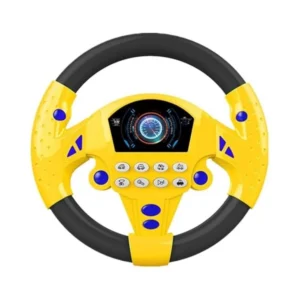
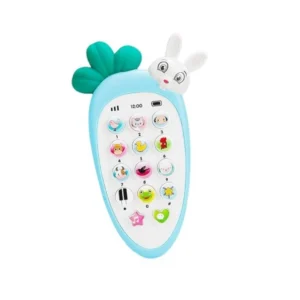
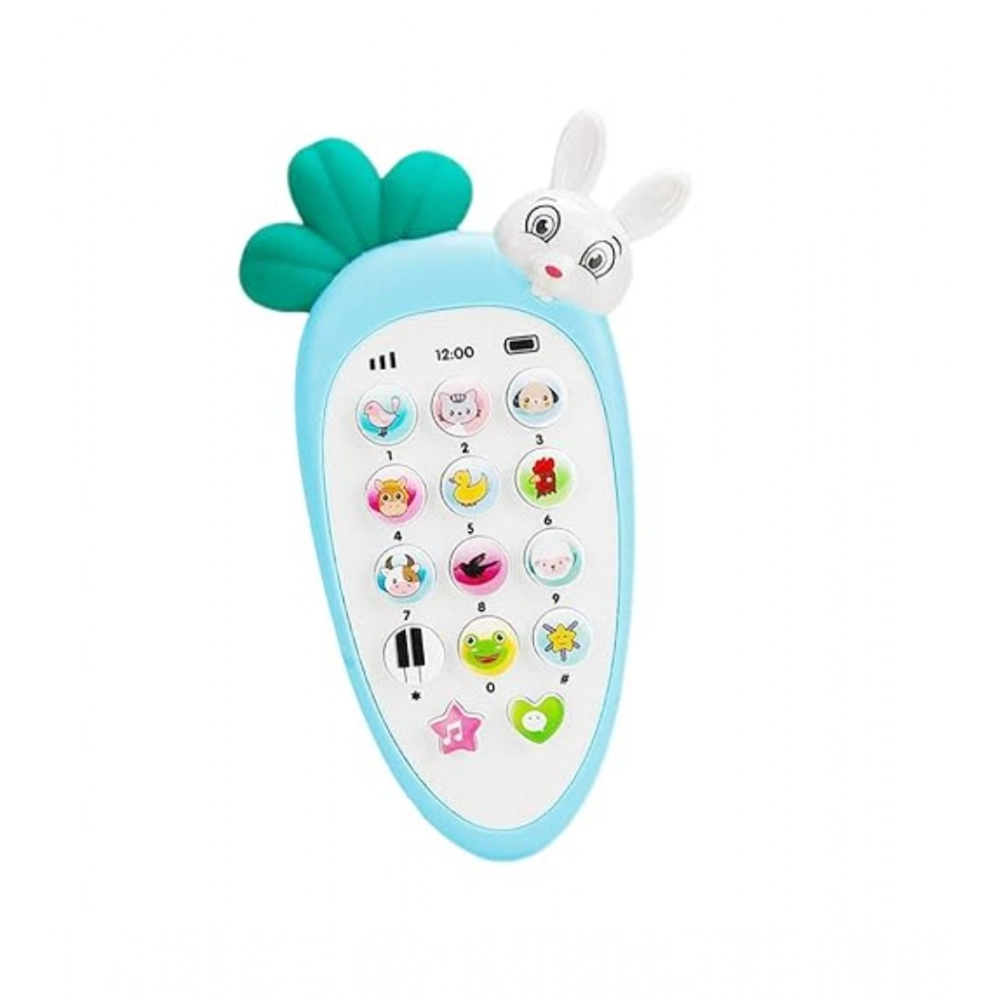
A plastic tablet that recites the alphabet when a button is pressed is marketed as educational. The child presses, the toy performs. Compare that with a set of blocks, where the child has to decide what to build, work out why the tower fell, and try again. Nothing on the blocks mentions engineering, but the blocks are doing more.
The rough test is this. If the toy does the interesting part, the child is an audience. If the child does the interesting part, the toy is doing its job.
Open ended beats single purpose
Toys with one correct outcome get solved and then retired. Toys with many possible outcomes stay in rotation for years, which also makes them better value. Building blocks and art and craft kits both fall into this group, because the child supplies the idea and the toy supplies the material.
Skills worth aiming at
Rather than shopping by subject, it helps to think about the handful of abilities that childhood play genuinely builds.
- Fine motor control. Threading, cutting, drawing and small construction all feed handwriting later.
- Spatial reasoning. Fitting shapes together, mentally rotating a piece before placing it, judging what will balance.
- Language. Play that invites narration, negotiation and explaining the rules to someone else.
- Persistence. The willingness to stay with something that is not working yet, which is learned rather than innate.
- Turn taking. Waiting, following a shared rule, and coping with an outcome you did not want.
Where the usual categories fit
Puzzles are the most direct route to spatial reasoning and persistence, and they have the advantage of a clear finish line, which young children find satisfying. Board games cover turn taking and rule following, and often smuggle in counting and reading. Pretend play is where language and social negotiation get their heaviest workout, and it is easy to underrate because it looks like nothing much is happening.
Our educational toys section collects the products aimed most directly at these areas, though plenty of things filed elsewhere do the same work.
Fewer toys, more often
A crowded toy box tends to produce shallow play, because there is always something else to grab. Many parents find that keeping part of the collection out of sight and rotating it every few weeks makes old toys feel new and lengthens the time a child spends on any one thing. It costs nothing and it is easy to undo if it does not suit your household.
One practical note
Toy listings on this site show an Age Group along with the play type and whether assembly is required. Those three details will tell you more about whether a toy will actually get used than the word educational ever will.