Children do not wear out clothes evenly. They wear out four favourite things and leave the rest on the hanger. Building a wardrobe around that habit, rather than against it, means buying less and washing more, which is usually the cheaper arrangement.
Start from the laundry cycle, not the calendar
The useful number is not how many outfits a child owns but how many days you can go before laundry becomes urgent. For most families that is somewhere between five and seven days of everyday clothes, plus a little slack for the days when two changes are needed before lunch. Working backwards from your own washing routine gives you a target that fits your house instead of a generic list.
Fabric decides how long it lasts
For daily wear, cotton is hard to beat. It breathes, it takes a hot wash, and it tolerates the kind of treatment that a playground delivers. Most of our everyday t-shirts and leggings are cotton or cotton blends for exactly that reason.
Fleece and heavier knits belong to a different job. They are for warmth rather than volume, so two or three good pieces of winter wear will carry a child through a cold spell better than a drawer full of thin layers.
Let co-ord sets do the thinking
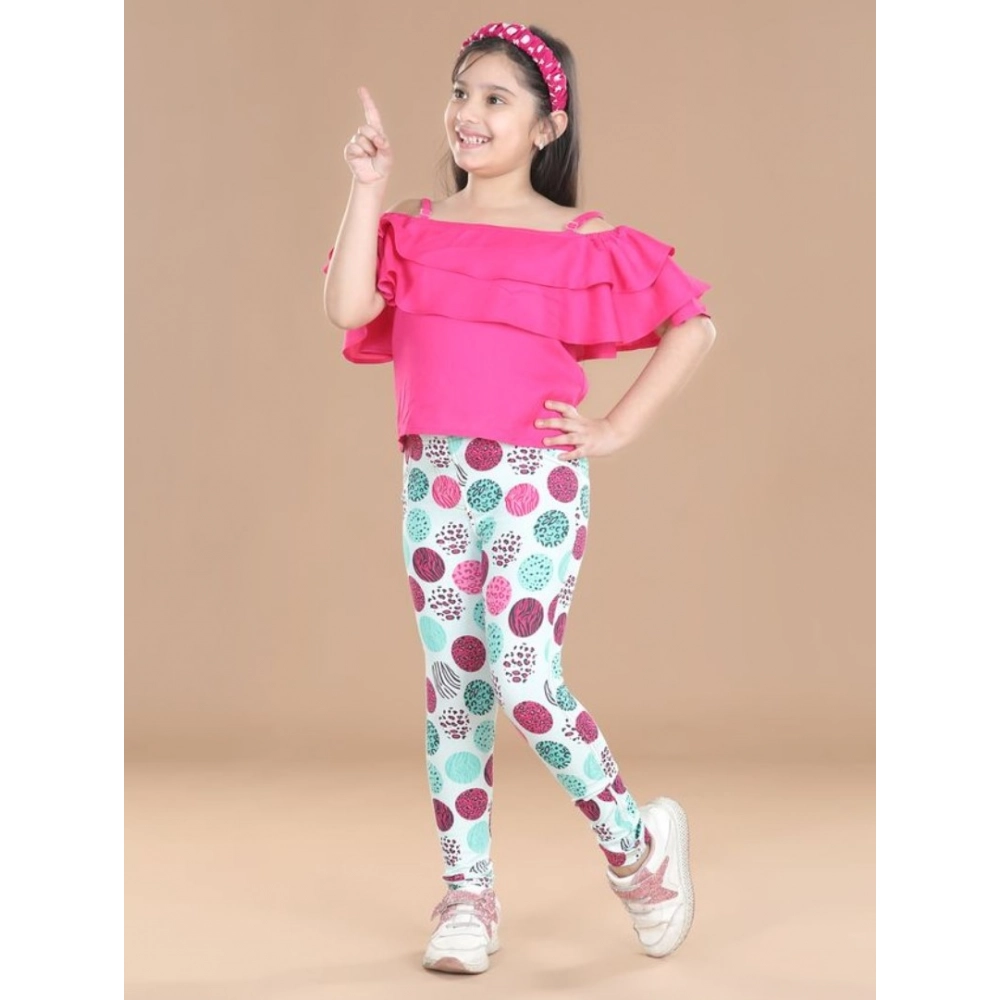
The hardest part of a school morning is not getting dressed, it is deciding. Co-ord sets remove that decision entirely, and because the pieces are designed together they also mix cleanly with everything else in the drawer. If you want to reduce morning friction with one purchase, this is the one.
Jumpsuits do a similar job in a single piece, which is useful for younger children who are still learning to match a top to a bottom.
Layer instead of buying for each season
A wardrobe built on layers stretches across more of the year than one built on seasonal outfits. A cotton t-shirt under a sweatshirt covers a surprising range of weather, and both pieces keep working when the temperature swings. It also means a growth spurt only ruins half the combination rather than the whole thing.
What to buy less of
- Occasion clothes. They are worn once or twice and outgrown before the next event, so one good option beats three.
- Anything requiring careful washing. If it cannot go in with everything else, it will not get worn.
- Light colours in the toddler years, unless you are relaxed about stains.
- Shoes and clothes bought a full size up in the hope of two seasons of use. They tend to deliver neither.
Making it last
Turning printed t-shirts inside out before washing keeps the print intact far longer. Washing cooler and drying in shade protects colour, and it matters more on dark dyes than pale ones. Fastening zips and hooks before they go in the machine stops them catching on knitwear. None of this is glamorous, but it is the difference between a shirt handed down and a shirt thrown out.
You can browse the full range for girls and boys if you want to see what fits into a rotation like this.